
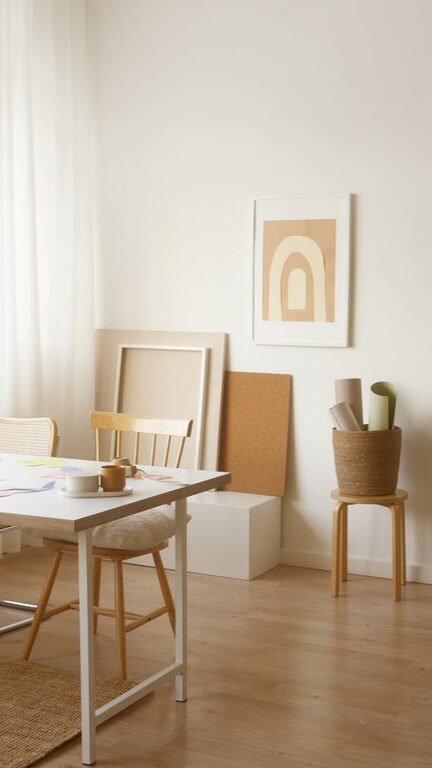
Creating a calm and peaceful environment at home often begins with color. The colors you choose for your walls, furniture, and accessories can significantly impact your mood, making your space feel relaxing or overwhelming. If you want your home to be a sanctuary where you can unwind after a busy day, selecting calm colors is essential.
In this post, we’ll explore practical tips for choosing calm colors that promote tranquility and balance in your home. Whether you are redecorating a single room or your entire house, these ideas will help you create soothing spaces that invite relaxation.
Why Choose Calm Colors for Your Home?
Calm colors, often described as soft, muted, or neutral tones, help reduce stress and anxiety by creating a visual environment that feels balanced and peaceful. Unlike bright or saturated colors that can energize or overwhelm, calm colors encourage a sense of comfort and restfulness.
Choosing calm colors for your living room, bedroom, or even kitchen can help you:
– Enhance relaxation and stress relief
– Improve focus and mindfulness
– Promote better sleep
– Create a welcoming atmosphere for guests
Now, let’s dive into how to choose the right calm colors for your home.
Understand the Different Types of Calm Colors
Before selecting colors, it’s important to understand which colors generally evoke calm feelings. Calm colors usually fall into these categories:
Neutrals
– Whites
– Beiges
– Grays
These colors work well as backgrounds and pair nicely with other soft hues.
Pastels
– Soft blues
– Light greens
– Pale pinks
These muted tones offer a gentle splash of color while keeping a space serene.
Earth Tones
– Warm browns
– Soft tans
– Muted olives
Earth tones bring natural warmth and grounding energy into a room.
Tips for Choosing Calm Colors
1. Consider the Room’s Function and Lighting
Certain colors work better in some rooms than others depending on usage and natural light levels.
– Bedrooms benefit from soft blues, lavenders or gentle greens, which promote relaxation and sleep.
– Living rooms can handle a bit more variety but should lean towards muted tones to welcome guests without overstimulation.
– Bathrooms and kitchens with lots of natural light can be accented with soft yellows or pastel aqua for a fresh, calming effect.
Remember that lighting changes the appearance of paint. Test your chosen colors by painting small patches on walls and observing them at different times of day.
2. Use the 60-30-10 Color Rule
This classic rule helps balance color in any space:
– 60% of the room should be a dominant calm color, often used on walls or large furniture.
– 30% should be a secondary calm color, used in upholstery, rugs, or curtains.
– 10% should be an accent color—still calm but slightly deeper or brighter for contrast, such as muted navy or soft coral.
This ratio creates harmony without making the room feel flat or boring.
3. Opt for Matte or Eggshell Finishes
Glossy or shiny paints reflect light strongly, which can be more stimulating. Matte or eggshell finishes absorb light, softening the overall look and contributing to calmness.
4. Avoid Overly Bright or Saturated Colors
Bright reds, oranges, or neon tones can increase energy and tension. Even if you love these hues, consider using them sparingly as accents rather than main colors.
5. Incorporate Texture and Natural Materials
Even the calmest colors can feel cold if the room lacks texture. Soft textiles, wooden furniture, and plants add warmth and depth, enhancing the soothing feel of your color palette.
Popular Calm Color Choices and Their Effects
Here are some calm colors with descriptions of their psychological effects:
– Soft Blue: Represents serenity and stability. Great for bedrooms and bathrooms.
– Pale Green: Evokes nature and renewal, helping to reduce stress.
– Warm Beige: Creates coziness and warmth, perfect for living spaces.
– Light Gray: Offers neutrality and balance, adaptable to almost any room.
– Lavender: Adds a gentle sense of calm and creativity, often used in bedrooms.
How to Test Calm Colors Before Committing
Before painting an entire room:
– Get sample paint pots and paint a large poster board or a section of the wall.
– Observe the color under different lighting: morning, afternoon, and artificial light at night.
– Live with the sample color for a few days to see how it makes you feel.
This process helps avoid costly mistakes and ensures you select a color that truly brings calm into your home.
Final Thoughts
Choosing calm colors is a wonderful way to create a home environment that supports relaxation, focus, and comfort. By understanding your space, experimenting with soft hues, and balancing colors thoughtfully, you can design rooms that feel peaceful and welcoming.
Remember, calm colors don’t mean boring colors. With the right shades and textures, your home can feel serene and stylish at the same time. Start your color journey today and enjoy the tranquility that comes with a harmonious, calm space.
—
Feel free to share your favorite calm color combinations or tips in the comments below!