
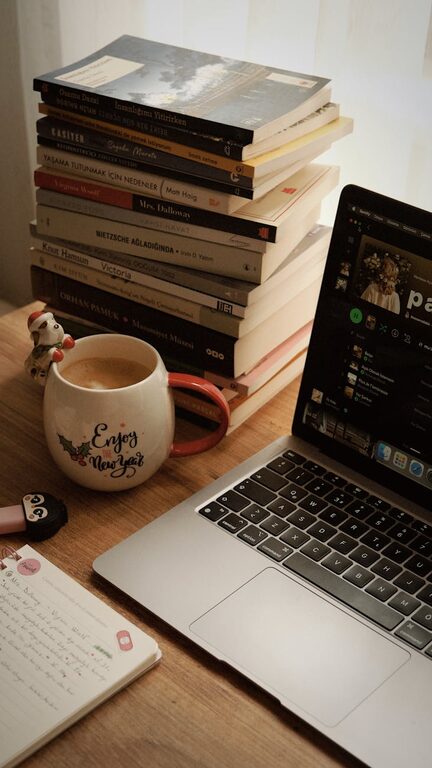
When it comes to writing down ideas, keeping track of tasks, or journaling, having the right notebook can make all the difference. But with so many options available, how do you choose a notebook you’ll actually use? Whether you’re a student, professional, or creative, picking a notebook that fits your style and needs is key to staying organized and motivated. In this post, we’ll walk you through practical steps to find your ideal notebook.
Why Choosing the Right Notebook Matters
A notebook is more than just a collection of blank pages—it’s a tool that can encourage you to jot down thoughts, track progress, or reflect. If the notebook isn’t comfortable or appealing, you might avoid using it altogether.
The right notebook helps you:
– Stay organized
– Capture ideas quickly
– Feel inspired to write more often
– Maintain consistency in your work or journaling habits
With this in mind, let’s explore the key factors to consider when selecting a notebook.
1. Decide What You’ll Use It For
Before buying, think about the primary purpose of your notebook. Different uses require different features.
Common notebook uses:
– Note-taking: For classes, meetings, or reading
– Journaling: Daily reflections or creative writing
– Planning: To-do lists, schedules, and goal tracking
– Sketching or doodling: More space and thicker paper might be needed
Knowing your main use will help determine size, paper type, and layout.
2. Choose the Right Size and Portability
Notebooks come in various sizes, each with pros and cons depending on your lifestyle.
– Pocket-sized (A6 or smaller): Easy to carry everywhere, great for quick notes or ideas on the go.
– Medium-sized (A5): A popular balance between portability and writing space.
– Large-sized (A4 or letter): More room to write or sketch but less portable.
Ask yourself if you’ll be carrying the notebook daily or mostly using it at home or work. Also consider whether you prefer a slim notebook to fit in your bag or a larger one for more space.
3. Consider the Binding Type
The binding affects how your notebook lays flat and how pages are removed.
– Spiral-bound: Opens flat and folds back, making writing easier. Pages can often be torn out.
– Hardbound or casebound: Durable and stylish but usually less flexible.
– Softcover: Lightweight and flexible but may be less sturdy.
– Composition notebooks: Sewn binding that’s durable but may not lay perfectly flat.
If you like writing without distractions, a notebook that stays open easily is a good choice.
4. Think About Paper Quality and Weight
Paper quality affects writing comfort and what types of pens or markers you can use.
– Weight: Usually measured in gsm (grams per square meter). Typical notebooks have 70-100 gsm paper. Thicker paper reduces ink bleed.
– Texture: Smooth paper is good for ballpoint pens, while textured paper can enhance the feel of pencils or fountain pens.
– Color: White or cream paper can affect visibility and eye comfort.
If you prefer using markers, fountain pens, or watercolors, invest in a higher-quality paper notebook.
5. Choose a Layout That Fits Your Style
The layout can encourage or hinder different types of writing or planning.
Common layouts include:
– Lined: Classic for writing, note-taking, and journaling.
– Grid: Great for sketches, graphs, or bullet journaling.
– Dot grid: Offers a flexible structure—popular with bullet journal users.
– Blank: Ideal for freeform drawing or sketching.
Try experimenting with a few types to see which helps you stay organized or creative.
6. Check for Additional Features
Some notebooks offer extras that might improve your experience.
– Page numbers: Help keep notes organized.
– Perforated pages: Easier to tear out pages cleanly.
– Index or table of contents: Useful for quick navigation.
– Pocket folders: For loose papers or stickers.
– Elastic band closure: Keeps the notebook closed and pages protected.
– Ribbon bookmarks: Quickly mark your spot.
Assess which features align with how you plan to use your notebook.
7. Think About Style and Design
While functionality is vital, a notebook that looks and feels good can motivate you to use it more often.
Consider:
– Cover material (leather, fabric, cardboard, plastic)
– Color and patterns
– Brand reputation
– Sustainability (recycled paper or eco-friendly production)
Pick a notebook that matches your personality to make writing more enjoyable.
8. Set Your Budget
Notebooks come in a range of prices—from inexpensive to luxury.
– Basic notebooks are great for everyday use and experimenting.
– Mid-range options offer better paper quality and durability.
– Premium notebooks provide superior materials, craftsmanship, and special features.
Setting a budget helps narrow down your options and avoid overspending.
Tips to Keep Using Your Notebook Consistently
Buying the perfect notebook is just the first step. Here are some friendly tips to help turn it into a habit:
– Keep it visible: Store it where you’ll see it often.
– Use it daily: Even a few lines each day build consistency.
– Make it personal: Add stickers, doodles, or colored pens.
– Set goals: Use your notebook to track progress or ideas.
– Combine digital with analog: Use apps for reminders and your notebook for creativity.
Final Thoughts
Picking a notebook that you enjoy using is a rewarding investment in your productivity and creativity. By considering your needs, size, binding, paper quality, and style, you can find a notebook that inspires and supports your everyday writing habits. Remember, the best notebook is one that fits your lifestyle and encourages you to capture your thoughts effortlessly.
Happy writing!